
Rainy days
Wet shoes after the commute: what to do when you get home
A practical sequence for a rain-soaked pair: open it, remove free water, check the care instructions and decide how to dry it.
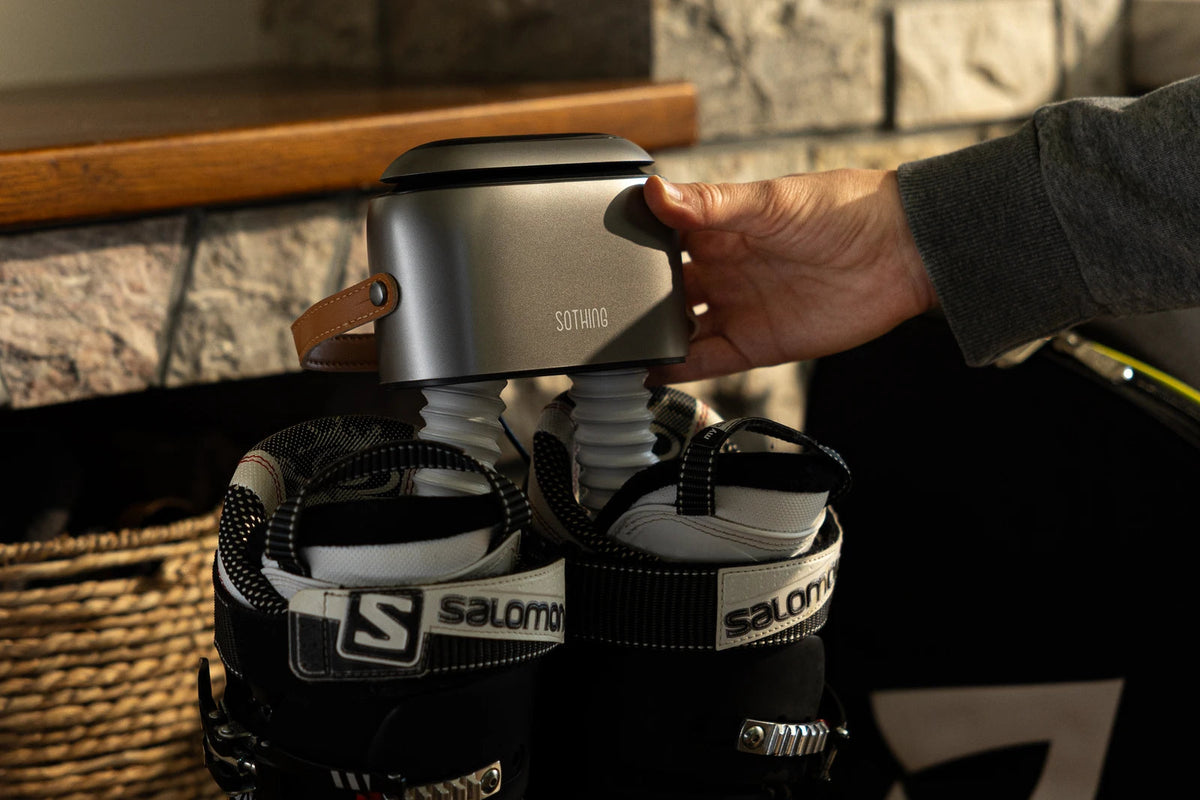
The walk from the station was only ten minutes. The puddle was deeper than it looked. Now one shoe makes a small squelching sound every time you take a step.
Before choosing a dryer setting, deal with the water you can actually remove. A soaked shoe needs a different start from a slightly damp one. Neither needs an improvised blast from a hairdryer.
Start by opening the pair
Take the shoes off and give them a place outside the closed bag or cupboard. Loosen the fastening and open the tongue as far as the construction comfortably allows. If the maker permits removing the insoles, take them out and check their care instructions separately. A footbed that is glued in place is not an invitation to pull harder.
Look inside both shoes. Water can collect differently in each one, and the shoe that looks wetter on the outside is not necessarily the wetter one inside. Let free water drain out. Blot accessible moisture with a clean cloth rather than twisting the upper or forcing the shoe out of shape.
Find the instruction that applies to this shoe
Check the label, the product page or the footwear maker's care guide. Look for the drying method, not just the washing instructions. A waterproof label, a robust-looking sole or a thick winter lining tells you little about whether heated drying is permitted.
Some manufacturers explicitly recommend room-temperature air drying and avoiding direct heat. Follow that direction. A low setting on a separate appliance does not cancel it. If the label is missing, the useful next step is a question to the shoe maker, not a hotter setting.

Then choose the method
For a pair that needs non-heated air drying, use the ventilated location and preparation recommended by its manufacturer. Keep the shoes open and leave room around them. Do not close a still-damp pair into a storage box just because the outside looks presentable.
If your footwear specifically allows the intended heated drying method, use the dryer according to its own manual as well. Check placement, permitted settings and supervision requirements. Keep air openings clear. A drying device is not the place to drain standing water.
Before you put them back on
Check the lining and removable parts, not only the upper. If something is still damp, it needs more time under an approved method; the morning schedule cannot change the material's care limits. A spare pair is a more sensible answer than turning the heat up beyond those limits.
For a repeatable routine, keep the cloth, the care link and any removable footbeds in the same place. The best first step next time is simply one you remember to do.
See the wet-shoe care guide. If you are considering a dryer, start with the buying guide, not a promised finish time.
読み続ける

Choose a shoe dryer by the routine it needs to fit
Five practical questions before buying: footwear permission, outlet reach, controls, storage and the correct regional edition.

Mud on the outside, moisture inside: two jobs after a hike
A post-hike plan that separates dirt removal, drying and aftercare. Waterproof hiking boots still need model-specific care instructions.

A timer ends a session. It does not tell you the shoe is dry.
Why a single drying-time promise is not useful, and how to plan a session around moisture, construction, permitted settings and checking progress.