
Running
After the run, open the shoes before you close the gym bag
A low-effort post-run routine for damp trainers, removable insoles and the next session—without assuming every running shoe tolerates heat.
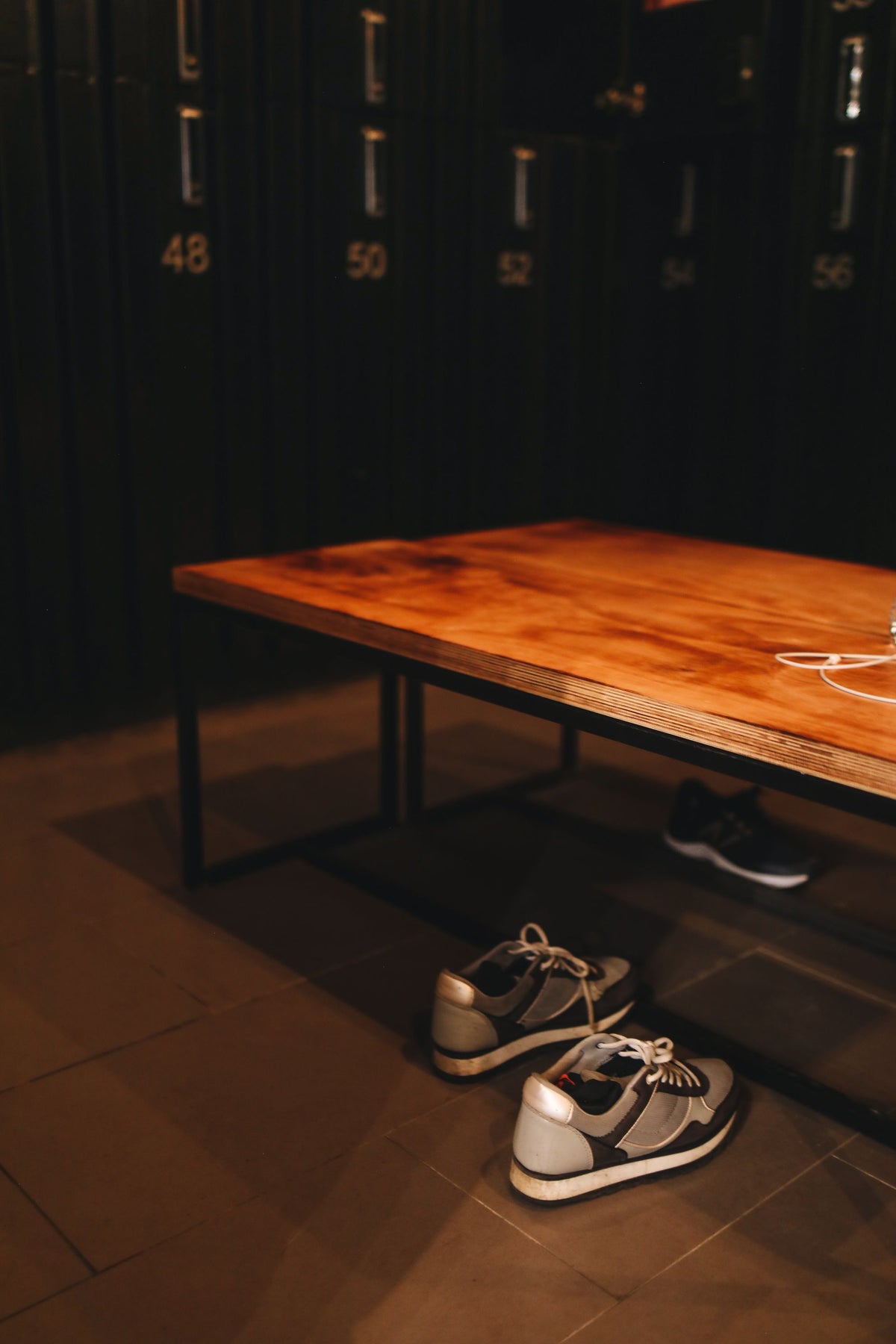
The run is finished. The watch is charging, the kit is in the wash and the shoes are still zipped into the bag by the door. That last part is worth changing.
You do not need an elaborate shoe-care ritual after every ordinary session. You do need a chance to notice moisture, dirt and anything that has started to come loose. Taking the pair out of the bag is a manageable place to begin.
The one-minute check
Open the laces or fastening. Look at the inside of each shoe and check the removable insole, if the manufacturer permits taking it out. Do not pull out a bonded footbed. Check underneath removable parts as well as the surface your sock touches.
Brush off loose dirt with a suitable soft brush when that matches the shoe's care guidance. Sweat-damp shoes do not automatically need a full wash. If cleaning is necessary, use the method specified for the upper and the rest of the construction; mesh, leather overlays and a glued sole are not one material.
Read the shoe before reading the controls
Nike's cleaning guidance, for example, recommends room-temperature air drying for its sneakers. That is a reason to follow the relevant shoe instructions, not a claim that a heated dryer is suitable for every trainer carrying the brand.
A running shoe can also contain a plate, a special foam, an orthotic or a replacement insole with its own restrictions. The outside appearance does not resolve those questions. If the maker says to avoid heat, use the non-heated method it recommends.

Give the pair somewhere to stay open
Choose a ventilated location appropriate to the footwear instructions. Keep the shoes away from the shortcuts you would hesitate to leave with another delicate item: an oven, a radiator or a hairdryer pushed into the toe. Do not assume that making the outside hot means the inside is ready.
If an approved shoe dryer is part of your routine, its reach and controls should fit the job without forcing an outlet into the shoe. Follow both sets of instructions. An activity-labelled kit still needs a compatible pair of shoes; the word “Sport” does not supply that permission.
Plan for the next session, not an exact drying promise
Check that the shoe and its separate parts are dry before putting everything back together. A spare pair can give you flexibility when training falls on consecutive days. This is a scheduling choice, not a promise that rotation prevents injury or extends a shoe's life by a particular amount.
If the same area remains damp repeatedly, look at the preparation and care instructions before extending a timer. A tightly closed tongue or an insole left in place may be something to address; more heat is not a universal solution.
Keep the routine short enough to repeat. Take the shoes out, open them, check the label, then let the approved method do its job. See the running-shoe care guide for the next decision.
読み続ける

Choose a shoe dryer by the routine it needs to fit
Five practical questions before buying: footwear permission, outlet reach, controls, storage and the correct regional edition.

Mud on the outside, moisture inside: two jobs after a hike
A post-hike plan that separates dirt removal, drying and aftercare. Waterproof hiking boots still need model-specific care instructions.

A timer ends a session. It does not tell you the shoe is dry.
Why a single drying-time promise is not useful, and how to plan a session around moisture, construction, permitted settings and checking progress.