
Controls explained
A timer ends a session. It does not tell you the shoe is dry.
Why a single drying-time promise is not useful, and how to plan a session around moisture, construction, permitted settings and checking progress.
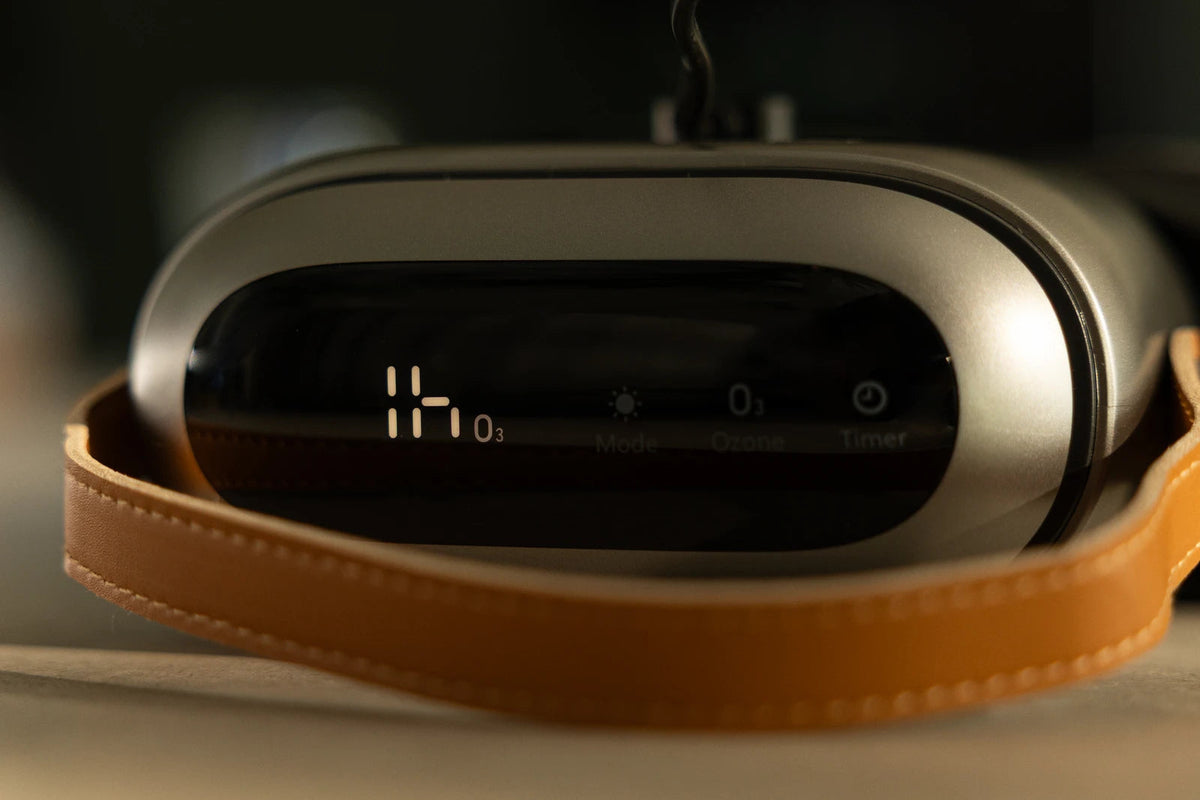
A timer answers a narrow question: how long will this setting run? It does not measure every damp place inside a boot, and it does not decide which materials may be heated.
That distinction is useful when a product page, an online comment or a friend's routine mentions an exact number of hours. Their pair and their starting point may not resemble yours.
Start with the pair, not the number
Compare a trainer that is slightly damp after a session with a lined boot that took on rainwater. The amount and location of moisture differ. So do the construction, removable parts and care restrictions.
Preparation matters too: free water should be dealt with before electrical drying, and an upper should be opened only as its maker permits. A timer cannot compensate for using a method the footwear instructions prohibit.
Choose only permitted settings
Read the footwear guidance first, then the dryer manual. If the shoe requires non-heated air drying, follow that method instead of choosing the lowest heated setting and hoping it is equivalent.
Where the intended dryer use is approved, select the controls described for the exact appliance and edition. Do not borrow a setting from another model, a different regional unit or a marketplace review. Similar-looking buttons do not prove identical operation.

Checking progress is part of the job
Follow the manual's instructions for checking and handling the setup. Do not touch hot parts or obstruct an opening to judge airflow. If something seems unusual, use the prescribed shutdown procedure and ask support rather than repeatedly restarting a session.
Before wearing or storing the pair, check the relevant lining and removable parts once it is appropriate to handle them. An upper that looks dry does not settle the condition underneath a footbed.
Make a useful note, not a universal rule
If you want a repeatable routine, note the pair, how damp it was, its approved preparation and the permitted setting used. Treat the note as a reminder for that pair under similar conditions—not a new instruction for every shoe in the house.
Do not treat an automatic stop as permission to leave equipment unattended. Supervision requirements remain those in the manual. If the schedule does not allow an approved session, use another approved method and plan for a spare pair.
See the timer and drying-time guide. For a control that does not behave as expected, contact support with the exact model and a description of what happened.
読み続ける

Can this pair go on a shoe dryer? Read more than the upper.
A compatibility check for uppers, linings, membranes and footbeds. Waterproof, leather and heat-mouldable are not drying permissions.

Make room for the dryer—not just for the boots
How to plan an entryway drying spot around the manual: surface, airflow, water, cords and a clear place for removable parts.

Choose a shoe dryer by the routine it needs to fit
Five practical questions before buying: footwear permission, outlet reach, controls, storage and the correct regional edition.